
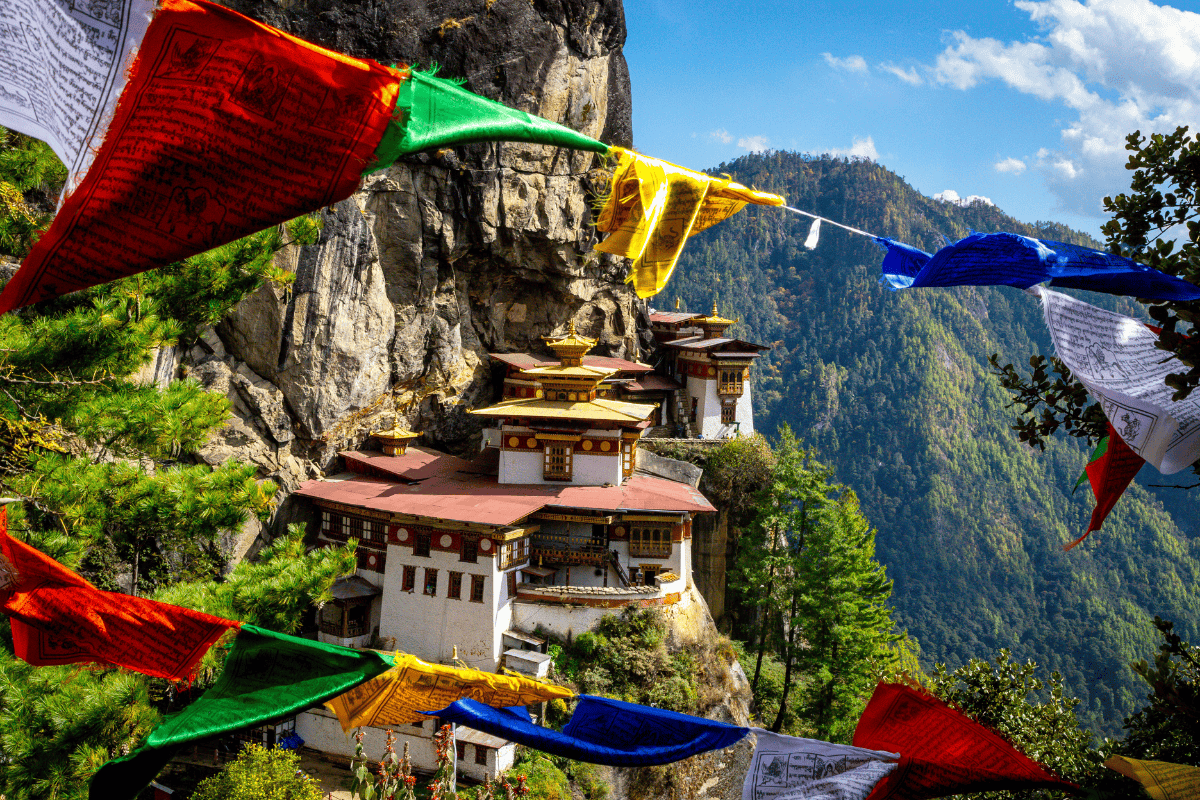
Bhutan in festival season is an explosion of colour, spirituality, masked dances, and deep cultural meaning. For Australians seeking a transformative travel experience, timing a journey around a major Bhutan Festival is one of the best ways to witness local heritage at its most alive. Whether it’s the Paro Tshechu, Thimphu Tshechu, or the lesser-known but equally rich regional festivals, experiencing Bhutan during such periods offers an extraordinary mix of celebration, devotion, and mystique.This comprehensive guide over 2500 words walks you through everything you need to know about planning a Travel to Bhutan from Australia experience specifically during festival season.
Understanding Bhutan Festival Culture
A Bhutan Festival, known locally as a Tshechu, is not simply an event for visitors, it is a vibrant expression of faith, culture, and the heart of Bhutanese life. Each district hosts its own annual Tshechu to honour Guru Rinpoche, the spiritual master credited with introducing Buddhism to Bhutan.
What sets Bhutan’s festivals apart?
- Sacred cham dances, performed by monks and local performers, retelling ancient Buddhist stories through movement.
- Rituals of blessing and purification, believed to bring protection and good fortune to all who attend.
- A colourful gathering of communities, with Bhutanese families dressed in their finest kira and gho.
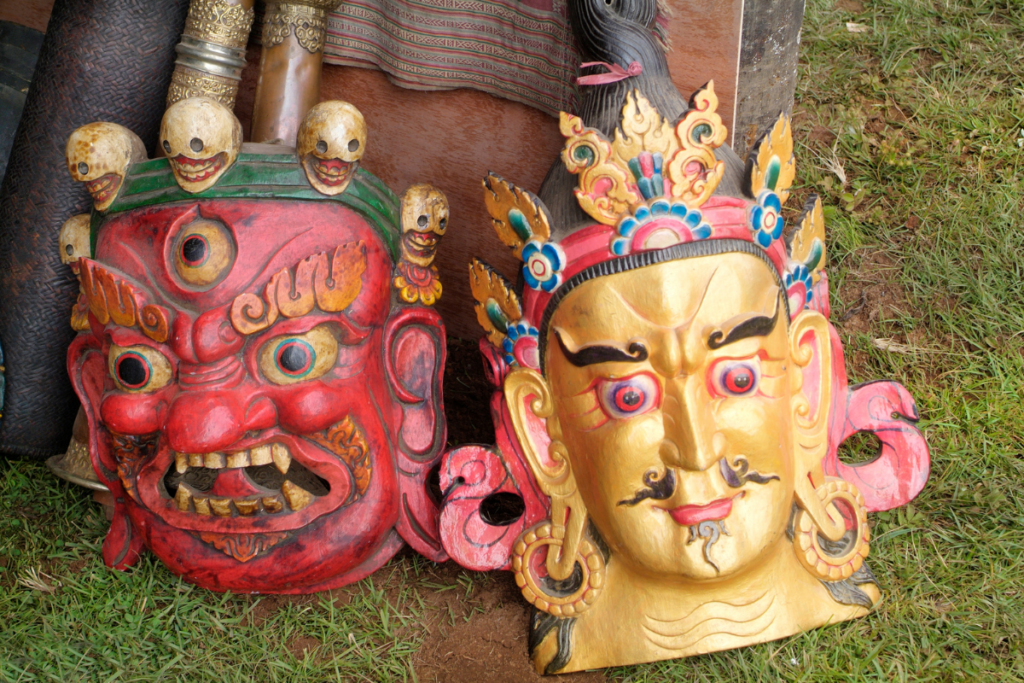
- Deeply symbolic costumes, masks, and choreography, each carrying spiritual significance.
- Unveiling of giant thongdrel (thangka) tapestries, which are said to grant instant merit and cleanse negative karma.
For travellers, a tshechu is more than a spectacle it is an opportunity to step directly into Bhutan’s living spiritual tradition, offering an experience you won’t find anywhere else in the world.
Best Bhutanese Festivals to Experience

Australians planning to Travel to Bhutan from Australia during the vibrant festival season often build their itineraries around the country’s most iconic and spiritually meaningful Bhutan Festival celebrations. Each tshechu offers a distinctive glimpse into Bhutanese culture, history, and Himalayan tradition and choosing the right one can deeply shape your travel experience. Below are the major festivals worth centering your trip around, each offering its own atmosphere, rituals, and regional charm.
Paro Tshechu (March–April)
The Paro Tshechu is one of Bhutan’s grandest and most widely attended events, drawing both local devotees and international travellers. Over several days, masked dancers reenact Buddhist legends, monks perform sacred rituals, and families gather in their finest kira and gho. The festival’s most unforgettable moment is the early-morning unveiling of the thongdrel, a massive sacred scroll painting believed to cleanse all sins upon sight. Many Australians choose to arrive early in Paro to secure good viewing spots and to acclimatise before the festivities begin.
Thimphu Tshechu (September–October)
Hosted in Bhutan’s bustling capital, the Thimphu Tshechu is a lively blend of spiritual ceremony and cultural celebration. It features a spectacular variety of cham dances, colourful costumes, and regional musical performances. Because it takes place in the city centre, visitors can easily pair the festival with culinary explorations, handicraft markets, and visits to iconic landmarks like the Tashichho Dzong. This makes it a favourite for first-time visitors who want a balanced mix of culture, comfort, and easy access to attractions.
Punakha Drubchen and Punakha Tshechu (February–March)
Held in the atmospheric Punakha Dzong one of Bhutan’s most stunning fortresses these festivals are renowned for their dramatic historical reenactments. The Punakha Drubchen, in particular, stands out for its theatrical retelling of 17th-century battles fought against Tibetan invaders, performed by local militia in traditional armour. Paired with the Punakha Tshechu, which focuses on cham dances and religious blessings, the celebrations offer a rare look into Bhutan’s wartime past as well as its spiritual traditions.
Jambay Lhakhang Drup (October–November)
Set in the mystical Bumthang Valley, this festival is famous worldwide for its mewang the midnight fire blessing. During this ritual, barefoot participants run beneath a burning arch of flaming grasses, a ceremony believed to purify and cleanse spiritual obstacles. The atmosphere is electric yet intimate, as locals and travellers gather under the moonlight to witness this ancient rite. Beyond the fire dance, Jambay Lhakhang Drup features days of traditional songs, masked dances, and temple ceremonies deeply rooted in Bhutan’s earliest Buddhist history.
Trongsa and Bumthang Festivals (Various dates)
For travellers seeking a quieter, more immersive experience away from larger crowds, the festivals in Trongsa and across the Bumthang district offer exceptional photographic and cultural opportunities. These events tend to be more intimate, allowing visitors to interact closely with local communities, monks, and performers. Without the bustle of major festival cities, the atmosphere feels more contemplative ideal for travellers who value authentic, slower-paced cultural encounters.
When to Travel to Bhutan from Australia
The best time to Travel to Bhutan from Australia for festival season usually aligns with Bhutan’s vibrant Tshechu calendar. These festivals follow the Bhutanese lunar cycle, meaning dates shift each year so it’s essential to double-check updates with your chosen tour operator. Still, several seasonal windows consistently offer the richest cultural and climatic experiences:
March–April: Paro Tshechu + Spring Blossoms
This period marks one of the most spectacular times to visit. The valleys burst into colour with blooming rhododendrons and clear skies set the perfect backdrop for the world-famous Paro Tshechu. As one of the most iconic Bhutan Festival events, it draws pilgrims, monks, and travellers who come to witness sacred cham dances and the revered unveiling of the giant Thongdrel.
September–November: Thimphu Tshechu + Ideal Trekking Weather
Autumn is another peak window thanks to its crystal-clear air, mild temperatures, and excellent trekking conditions. The Thimphu Tshechu Bhutan’s most attended festival transforms the capital into a vibrant stage of masked dances, silk robes, and spiritual blessings. Travellers who enjoy combining cultural immersion with outdoor adventures will find this season especially rewarding.
February–March: Punakha Drubchen and Tshechu + Pleasant Climate
Late winter to early spring offers comfortable daytime weather and fewer crowds. The Punakha Drubchen stands out for its captivating reenactments of historical battles, followed by the beautiful Punakha Tshechu. This season is ideal for travellers interested in seeing Bhutan’s traditions presented against the serene backdrop of the Punakha Valley.
Why Festival Season Is the Best Time to Visit
Travelling during a Bhutan Festival season is especially meaningful for Australians, offering a rare chance to witness the country at its most vibrant and culturally alive. Each tshechu provides deep insight into Bhutan’s spiritual traditions, where sacred masked dances, centuries-old rituals, and blessings are performed with profound devotion. For those seeking a richer cultural immersion, these festivals reveal the heart of Bhutanese identity in ways ordinary sightseeing cannot.
Photography enthusiasts will find endless inspiration from swirling brocade costumes and ornate masks to temple courtyards set against dramatic Himalayan landscapes. Every performance is a burst of colour and symbolism, creating unforgettable visual moments.
Festival season also brings exceptional opportunities for genuine community interaction. Bhutanese families attend in their finest kira and gho, welcoming visitors with warmth, curiosity, and hospitality. This creates a joyful, communal atmosphere that many Australians find especially memorable.
Additionally, most major tshechus coincide with Bhutan’s best weather periods, offering clear skies, mild temperatures, and excellent conditions for sightseeing, trekking, and cultural exploration. Travelling during festival season ensures a truly enriched and rewarding journey.
Flight Options from Australia to Bhutan
There are no direct flights from Australia to Bhutan, but the journey remains smooth and manageable with one or two convenient transit points across Asia. Most Australians begin their trip from Sydney or Melbourne, connecting through major regional hubs before flying into Paro Airport the only international airport in Bhutan. Popular routes include Sydney or Melbourne → Bangkok → Paro, Sydney → Singapore → Paro, or connecting via Delhi or Kathmandu, depending on preferred airlines and stopover plans.
The final segment into Bhutan must be operated by Druk Air or Bhutan Airlines, the only carriers authorised to fly into Paro due to its unique high-altitude terrain and specialised pilot requirements. Travellers typically spend around 7–9 hours flying from Australia to an Asian gateway, followed by another 4–6 hours to reach Bhutan.
Due to busy crowds and early-morning departures during festival season, Australians are strongly advised to arrive at their transit hub or Paro at least one day before the tshechu begins. This helps ensure better seating, smoother check-in, and time to recover from long-haul travel before immersing in Bhutan’s vibrant festival atmosphere.
Visa and Entry Requirements for Australians
Travelling during a Bhutan Festival season is especially meaningful for Australians seeking a journey that blends culture, spirituality, and breathtaking Himalayan scenery. A Tshechu is far more than a performance; it is a living expression of Bhutanese devotion, where masked dances, sacred rituals, and vibrant costumes tell centuries-old stories. For Australians, attending a festival provides a rare opportunity to witness traditions that have remained untouched by time.
Festival periods also offer unparalleled photography opportunities. Expect an explosion of colour: swirling brocade robes, ornate masks, spinning dancers, and fortress-like dzongs serving as dramatic backdrops. These visually stunning moments make festival season one of the best times to travel to Bhutan from Australia.
Equally enriching is the sense of community. Locals gather in their finest kira and gho, creating a welcoming and festive atmosphere that visitors are naturally invited into. Beyond culture, festival months coincide with Bhutan’s most pleasant weather: clear skies, comfortable temperatures, and excellent visibility for sightseeing and trekking. For Australians, this combination of climate, culture, and connection makes festival season the ideal time to discover Bhutan.
Choosing the Best Bhutan Travel Agency
Since independent travel in Bhutan is not permitted, choosing the right agency for your Travel to Bhutan from Australia is not just convenient—it’s essential for a seamless and rewarding experience. Australians planning to visit during a Bhutan Festival need an operator who understands both the logistical and cultural nuances of the country.
Experience Handling Australian Travellers
Look for agencies that have a proven track record of working with Australians. Familiarity with common travel preferences, dietary needs, and communication expectations ensures smoother coordination and a more comfortable trip.
Expertise in Festival-Season Itineraries
Festival dates are fixed according to the Bhutanese lunar calendar and can vary each year. An experienced agency will plan your itinerary to maximise your festival experience, ensuring you don’t miss key performances, thangka unveilings, or sacred rituals.
Transparent Tour Pricing
Bhutan’s tourism model includes the Sustainable Development Fee (SDF), accommodation, transport, and guided tours. Choose an agency that clearly outlines all costs upfront, avoiding hidden fees or unexpected charges.
Local Accreditation
Always confirm that your tour operator is licensed by the Tourism Council of Bhutan. This guarantees compliance with local regulations, safety standards, and ethical tourism practices.
Knowledgeable Guides Fluent in English
A skilled guide enhances your festival experience by explaining the spiritual and cultural significance of masked dances, chants, and rituals, helping you engage meaningfully with local traditions.
Prime Seating and Permits
During tshechus, seating can be limited, and certain temples or monasteries require special permits. A reliable agency ensures front-row access at festival grounds and handles all necessary permissions, so you can enjoy the festivities without stress.
By choosing the right operator, Australians can experience Bhutan’s festivals with comfort, insight, and authenticity, making every moment of the journey unforgettable.
If you want, I can also rewrite this in a more engaging, storytelling style to make it feel like a travel guide rather than a checklist. Do you want me to do that?
Budgeting and Trip Costs
Festival season in Bhutan coincides with peak tourism, so prices are generally higher than during off-peak periods. However, the unique cultural and spiritual experiences make it a worthwhile investment for Australians planning to Travel to Bhutan from Australia.
Estimated Costs for Australians
Flights typically range from AUD 1,500 to 2,300 for a round trip, depending on the chosen route and transit points. Tour packages usually cost between USD 200 and 250 per night, though rates can fluctuate with changes in the Sustainable Development Fee (SDF). Meals outside the package are relatively affordable, averaging AUD 10–20 per meal, while optional festival seat upgrades can cost USD 20–50 for premium viewing.
What’s Included in Tour Packages
Most packages are all-inclusive, covering accommodation, meals (often buffet-style), licensed guides, private transport, entry fees, and visa arrangements. This structure simplifies budgeting, allowing Australians to focus on enjoying Bhutan’s vibrant festivals, stunning landscapes, and immersive cultural experiences without worrying about hidden costs.
Suggested Festival Itineraries
Here are two sample itineraries designed around festival visits.
7-Day Festival Itinerary (Paro & Thimphu)
Day 1: Arrive in Paro — acclimatise
Day 2: Attend Paro Tshechu (masked dances)
Day 3: Hike to Tiger’s Nest
Day 4: Drive to Thimphu
Day 5: Attend Thimphu Tshechu
Day 6: Explore Thimphu Valley
Day 7: Depart
10-Day Festival + Cultural Highlights
Day 1: Arrive in Paro
Day 2: Paro Tshechu
Day 3: Tiger’s Nest Monastery
Day 4: Punakha (Chimi Lhakhang visit)
Day 5: Punakha Tshechu
Day 6: Gangtey — Phobjikha Valley
Day 7: Black-Necked Crane Centre
Day 8: Thimphu sightseeing
Day 9: Local crafts, markets, monastery visit
Day 10: Depart
Where to Stay During Festival Season
When travelling to Bhutan from Australia during festival season, choosing the right accommodation is crucial, as hotels fill up quickly.
3-Star Hotels
These provide comfortable, clean, and functional stays at an affordable price. Ideal for travellers prioritising cost-efficiency without compromising basic amenities.
4-Star Hotels
Offering the best value during peak festival season, 4-star properties combine comfort, quality service, and convenient locations near festival grounds, making them a popular choice for most travellers.
Luxury Hotels
For those seeking a premium experience, luxury options like COMO Uma, Amankora, and Six Senses offer exceptional service, exquisite interiors, and immersive Himalayan settings. These hotels often provide spa services, fine dining, and private excursions.
Booking Tips
Accommodation in Paro, Thimphu, and other festival hubs tends to sell out quickly. Australians are advised to book 3–6 months in advance to secure their preferred hotels and ensure a hassle-free festival experience.
Packing Guide for Festival Travel
Travelling to Bhutan during festival season requires careful packing due to varying altitudes, cool mornings and evenings, and warm daytime temperatures. Proper preparation ensures comfort while exploring monasteries, valleys, and festival grounds.
Essentials
A warm jacket is necessary, even in spring, along with layered clothing to adjust to changing temperatures. Sunglasses and sunscreen protect against strong mountain UV rays, while comfortable walking shoes are essential for temple visits and trekking. A hat or scarf is recommended for modesty and sun protection during temple visits. Carry a camera with extra batteries to capture vibrant festival scenes, a reusable water bottle to stay hydrated, and a power adapter suitable for Bhutan’s type D, F, and G plugs.
Festival-Specific Items
Consider bringing a lightweight cushion for extended outdoor seating, binoculars for better views of masked dances, and traditional attire. Wearing or bringing local clothing is appreciated by Bhutanese hosts and enhances your cultural immersion.
Cultural Etiquette During Festivals
Respect is a cornerstone of Bhutanese culture, especially during festivals where spirituality and tradition are deeply intertwined. Observing proper etiquette enhances your Travel to Bhutan from Australia experience and fosters meaningful interactions with locals.
Important Tips
- Seating Respect: Never sit higher than monks or elders during ceremonies.
- Modest Dress: Ensure shoulders are covered and bottoms are knee-length to show respect in religious spaces.
- Photography: Rules vary by location and ritual always ask before taking photos.
- Quiet Conduct: Maintain silence during spiritual segments to honor the ceremonies.
- Handling Sacred Items: Never touch masks, costumes, or ritual objects used in dances.
- Guided Assistance: Your licensed guide will help you navigate customs, explain rituals, and ensure respectful participation throughout the festival.
Following these guidelines allows Australians to immerse themselves authentically in Bhutanese festivals while showing respect for the country’s rich cultural and spiritual heritage.
Weather Considerations During Peak Festival Months
Spring (March–April)
- 15–25°C daytime
- Cool nights
- Clear skies, excellent for photography
Autumn (September–November)
- 10–20°C
- Crisp air, ideal trekking weather
- Vibrant landscapes
Winter Festivals
Some festivals fall in winter:
- Cold but dry
- Stunning mountain views
- Pack extra warm layers
Health, Safety, and Altitude Tips
Bhutan’s mountainous terrain means moderate to high altitudes, which can affect some travellers, especially during festival season when movement between valleys and towns is frequent.
Altitude Advice
- Take It Slow: Allow your body to acclimatise on the first day to reduce fatigue or dizziness.
- Stay Hydrated: Drink plenty of water to help your body adjust.
- Light Meals: Avoid heavy or rich foods until fully acclimatised.
General Health Tips
- Medication: Carry basic medicines for headaches, stomach upsets, or colds.
- Motion Sickness: Mountain roads are winding—bring tablets if prone to travel sickness.
- Safe Water: Drink only boiled or bottled water to prevent stomach issues.
- Travel Insurance: Ensure your policy covers medical emergencies, including altitude-related illnesses.
Following these precautions helps Australians enjoy Bhutan’s festivals, trekking, and cultural sites safely and comfortably.
Sustainable Travel in Bhutan
Bhutan’s tourism model prioritises environmental and cultural sustainability, making responsible travel essential for preserving its unique heritage. Australians travelling during festival season can enjoy the celebrations while minimizing their impact by following a few key practices.
How Australians Can Travel Responsibly
- Reduce Plastic Use: Bring reusable water bottles and bags to limit waste.
- Support Local Businesses: Purchase handicrafts, local produce, and souvenirs directly from artisans.
- Follow Festival Etiquette: Respect local customs, seating arrangements, and photography rules.
- Stick to Marked Trails: Protect fragile landscapes and avoid damaging flora.
- Respect Wildlife and Temple Rules: Observe animals from a distance and follow all guidelines in sacred spaces.
By travelling responsibly, Australians not only enjoy a more authentic experience but also help preserve Bhutan’s vibrant festivals, pristine environment, and centuries-old culture for future visitors.
Final Thoughts
Planning a Bhutan trip around festival season is one of the most rewarding ways to explore this Himalayan kingdom. For Australians, combining the convenience of guided travel with the immersion of a major Bhutan Festival results in a journey filled with culture, spirituality, and breathtaking landscapes.Whether your goal is photography, personal reflection, sightseeing, or cultural discovery, timing your Travel to Bhutan from Australia during a festival guarantees a deeper, more meaningful connection to the Land of the Thunder Dragon.